

Sydney Larsson
Sydney Larsson is a Web Content Writer at Apidoke, specializing in SEO-driven editorial content, digital publishing, and audience-focused storytelling. With a passion for transforming complex topics into clear, engaging articles, Sydney creates content that helps readers make informed decisions while supporting long-term organic growth. Working closely with subject matter experts and marketing teams, Sydney develops well-researched resources covering technology, business, logistics, e-commerce, and emerging industry trends. Her work focuses on delivering accurate, practical, and reader-first content that aligns with modern search standards and evolving AI-powered discovery platforms.
Articles by Sydney Larsson

What Is a Developer Portal and Do You Need One?
A developer portal is more than a pile of API reference pages. This guide explains exactly what one is, what it contains, and how to decide whether your project actually needs a full portal or something simpler.
October 19, 2026
How to Add Search to Your API Documentation
Search is one of the most-cited gaps in published API documentation. This guide covers every realistic option, from browser-side indexing to third-party search services, with concrete implementation patterns you can apply today.
October 18, 2026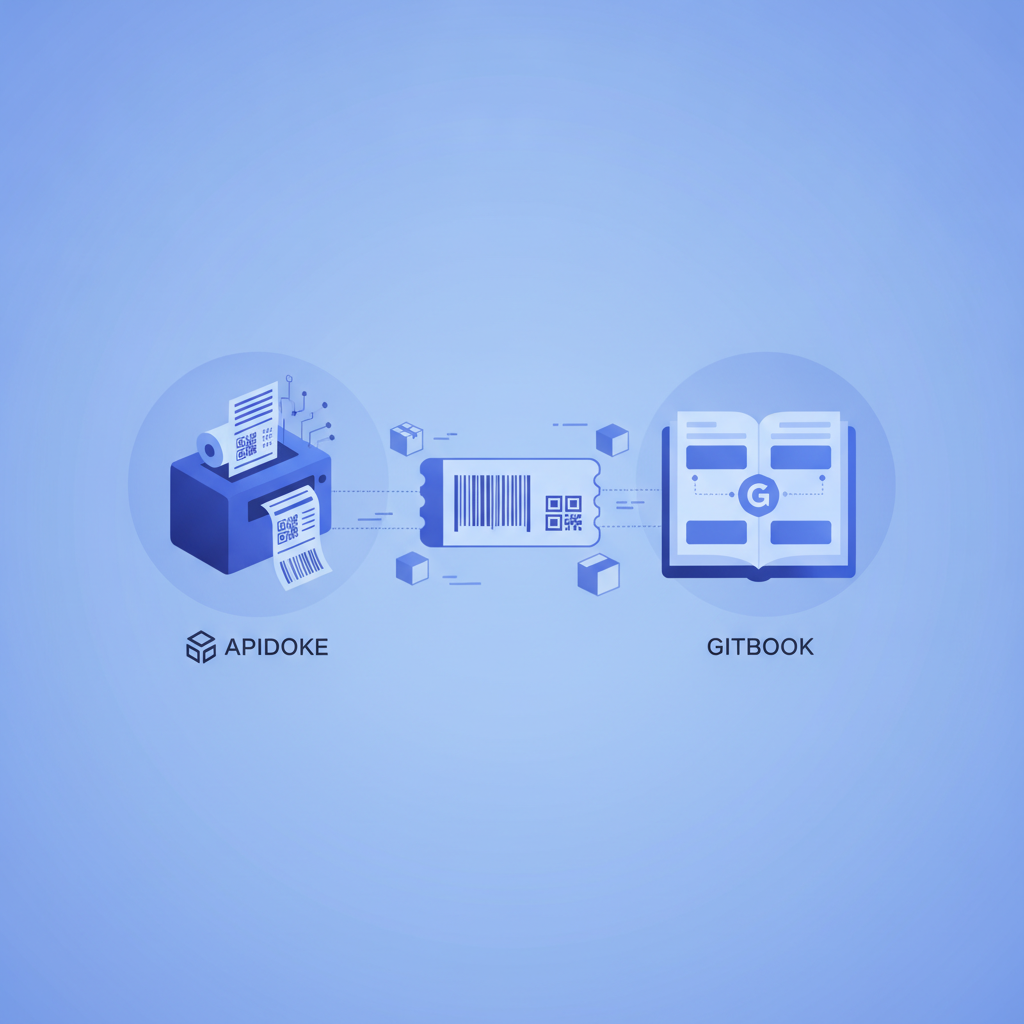
Apidoke vs GitBook: API Docs Platform vs Wiki-Style Publishing
GitBook is a polished wiki-style publishing tool. Apidoke is purpose-built for API reference docs with a live try-it console, API Blueprint authoring, and self-hosting. This comparison explains exactly where each tool fits and which to choose.
October 16, 2026
Writing API Documentation in Plain Language: A Style Guide for Clarity
Clear API documentation reduces support tickets, speeds up integration, and builds trust with developers worldwide. This guide covers the writing craft of plain language: sentence structure, word choice, jargon control, and scannability, with copy-paste API Blueprint examples throughout.
October 10, 2026
Embedding API Docs in Your Product: A Developer Guide
Surface your API reference inside your own product without rebuilding a docs site. This guide shows how to embed a published Apidoke doc viewer into a dashboard or developer console using iframes and deep-link patterns.
October 8, 2026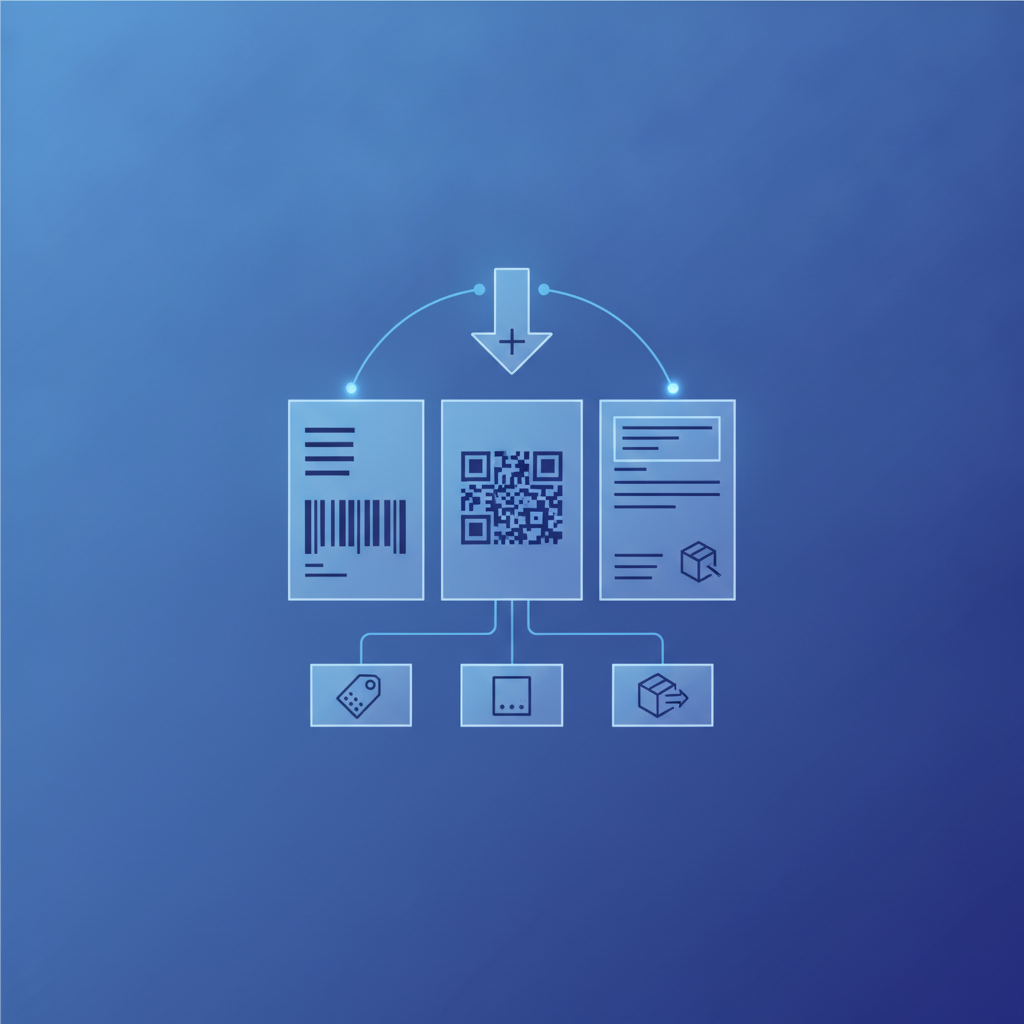
API Blueprint Include Directive: Splitting Large Blueprints Into Files
Large API Blueprint files become hard to maintain fast. The include directive lets you split one monolithic .apib file into focused, reusable modules, keeping your docs organized without sacrificing the single-file publishing experience.
October 5, 2026
Free and Open-Source API Documentation Tools in 2026
A practical, engineer-focused comparison of open-source API documentation tools you can self-host, audit, and run on your own infrastructure in 2026, including Apidoke.
September 12, 2026
Versioning API Documentation: A Practical Workflow
A step-by-step guide to managing versioned API documentation: when to cut a new doc version, how to archive old ones, and how Apidoke's built-in version history keeps your published reference accurate across every API release.
September 10, 2026
How to Document API Pagination
A practical guide to documenting cursor-based, offset-based, and page-based API pagination patterns in API Blueprint format, with copy-paste examples you can publish instantly in Apidoke.
September 10, 2026
How to Write an API Style Guide for Your Team
A practical guide for tech leads and documentation leads who want to standardize how their team writes, names, and formats API documentation in API Blueprint.
September 6, 2026
API Blueprint Cheat-Sheet: Request and Response Bodies (Deep Dive)
A focused reference for modeling request and response bodies in API Blueprint, covering JSON payloads, headers, attributes, schema blocks, status codes, and how Apidoke renders each pattern live.
July 31, 2026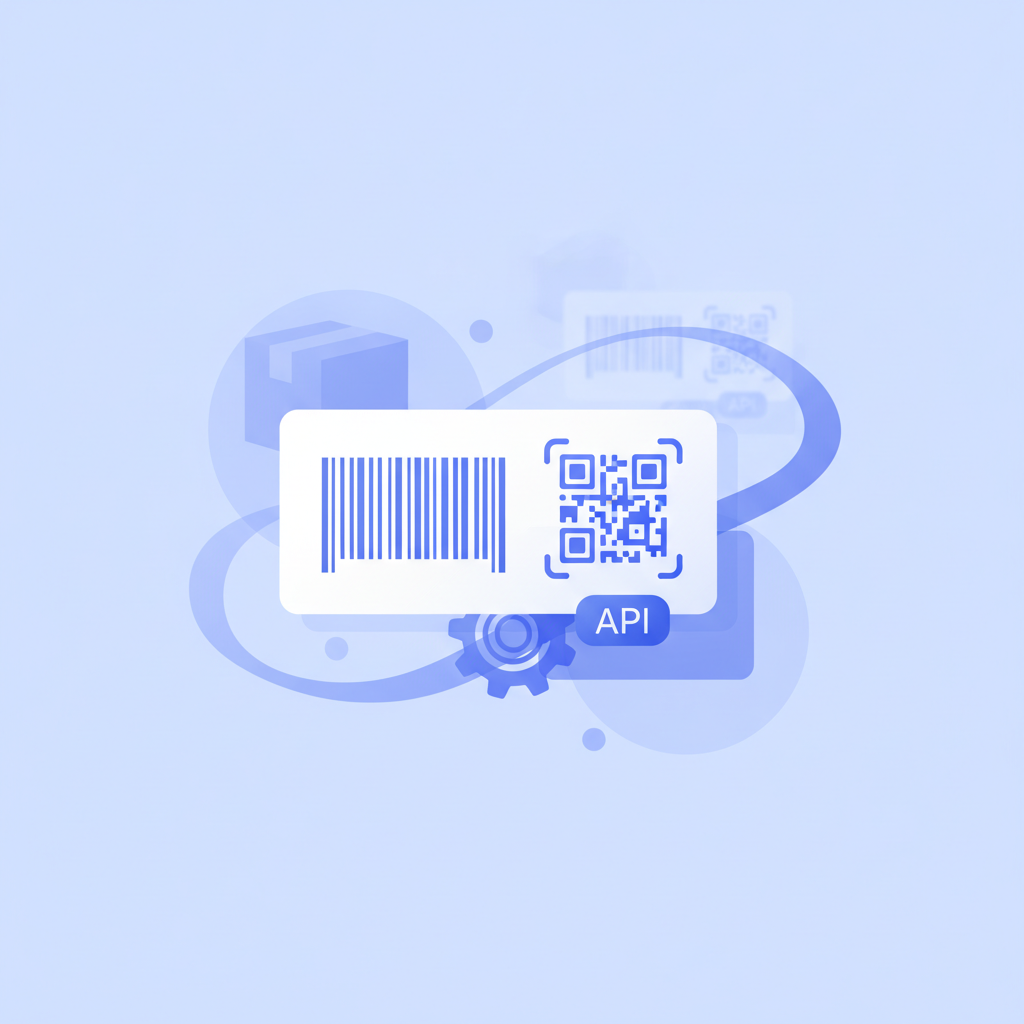
What Is an API Reference? (And How to Write One)
An API reference is the definitive technical specification for every endpoint, parameter, status code, and response body your API exposes. This guide explains what one is, why it matters, and how to write one that developers actually trust.
July 26, 2026
How to Migrate from Apiary to Apidoke
If you are looking to migrate from Apiary and keep your API Blueprint files intact, Apidoke is the most direct path: paste your existing .apib source, publish a live 3-column reference with a try-it console, and self-host if needed. No format conversion required.
July 22, 2026
Self-Hosting Your API Documentation
Self-hosting your API docs gives you full control over data, uptime, and cost. This guide walks through why teams choose it and exactly how to do it with Apidoke.
July 14, 2026
API Blueprint vs OpenAPI vs Swagger: Which Format Should You Use?
API Blueprint, OpenAPI, and Swagger are three of the most widely used formats for describing REST APIs. This guide breaks down how they differ in syntax, tooling, and practical use so you can pick the right one for your project.
July 12, 2026
API Blueprint and Formats: The Complete Category Hub
Your starting point for every API Blueprint and documentation format topic on Apidoke, from syntax basics to publishing a live try-it reference.
July 8, 2026